
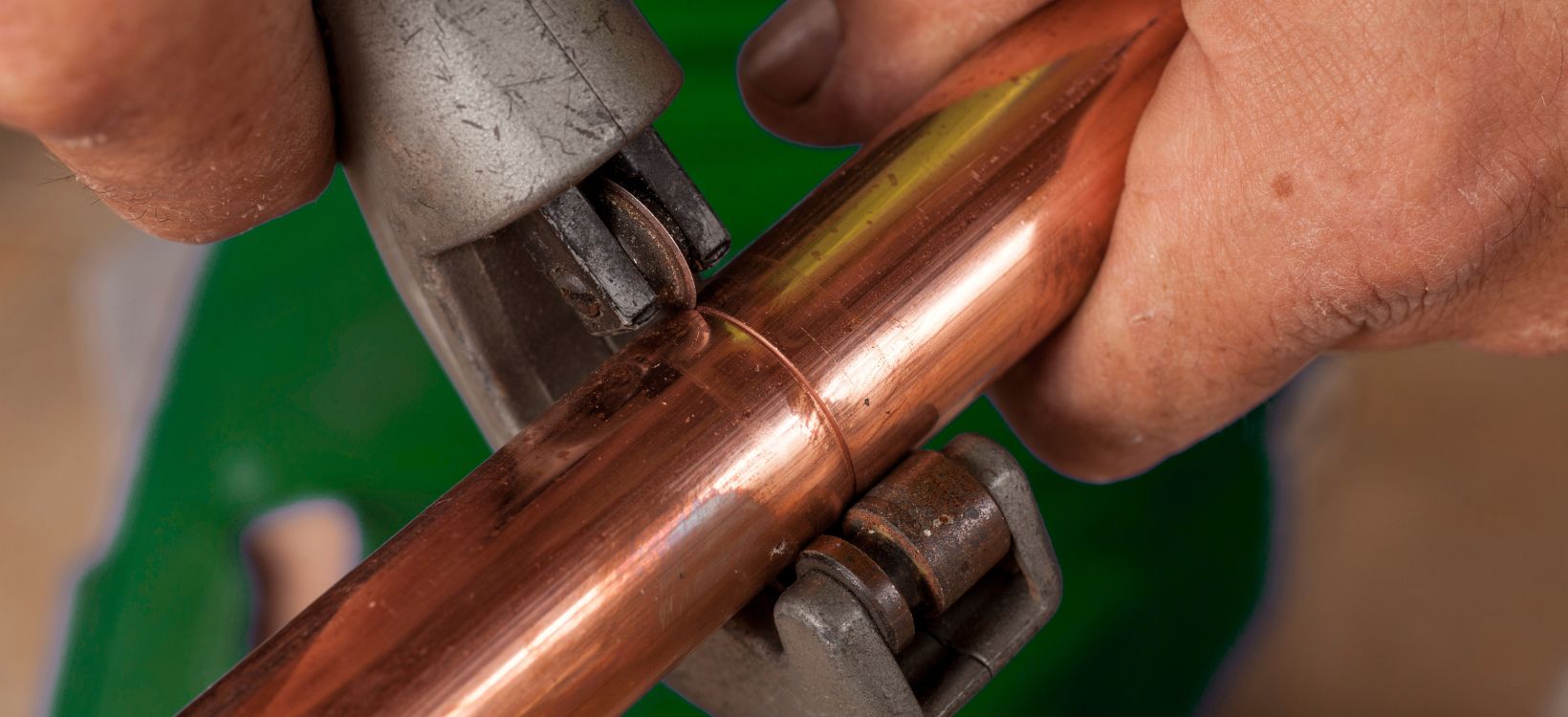
Vacant Properties: Protecting Your Investment From Copper Theft
Vacant properties can be an attractive target for thieves, and copper theft is one risk landlords should be aware of.
Copper remains valuable as scrap and, unfortunately, plumbing pipes, wiring and other copper components can be targeted when a property is left vacant.
Recent reports in Launceston have highlighted concerns around copper thieves targeting vacant residential properties. With properties advertised online, it can also be easier for unwanted visitors to identify homes that appear to be unoccupied.
For landlords, the real cost isn't necessarily the value of the copper itself. Once pipes have been removed or damaged, the resulting plumbing repairs, water damage and restoration can quickly become a significant expense.
Why Are Vacant Properties Vulnerable?
A property sitting empty between tenancies naturally has less day-to-day activity. There is no tenant coming and going, turning lights on or reporting unusual activity, which can make it easier for damage or theft to go unnoticed.
Copper thieves may target accessible plumbing underneath or around a property, with pipes and fittings able to be removed relatively quickly.
The value of the copper taken can be surprisingly small compared with the cost of repairing the damage.
In reported cases, plumbers have estimated that replacing stolen copper and repairing associated damage can cost thousands of dollars, while the scrap value of the copper itself may be only a fraction of that amount.
That is why prevention matters.
How Can Landlords Help Protect a Vacant Property?
There are several practical steps owners can take to make their property less appealing to thieves.
Consider Security Cameras
If possible, installing security cameras that connect to your phone can give you visibility over the property when you're not there.
Depending on the system, you may be able to receive motion alerts and check the property remotely. Visible cameras can also act as a deterrent.
Motion-sensor lighting and secure gates can provide another layer of protection.
Make the Property Look Occupied
Simple maintenance can make a difference. Keep lawns and gardens maintained, remove accumulated mail and advertising material, and avoid allowing the property to appear neglected.
Regularly checking the property — or arranging for someone you trust to do so — can also help identify suspicious activity or damage early.
Be Particularly Mindful Between Tenancies
The period between one tenant leaving and another moving in can create a window of vulnerability.
If you're preparing a property for its next tenancy, consider how long it may be vacant and what security measures you can put in place during that period.
Arrange Landlord Insurance Early
Security measures are important, but so is making sure your insurance is appropriate for a rental property.
Don't assume you can wait until a tenant moves in to arrange landlord insurance.
A property can be vulnerable while it is vacant, and different policies can have specific conditions around vacancy, theft, malicious damage and security.
Before your property goes live, we recommend speaking with a specialist landlord insurer such as Terry Scheer or EBM to understand the cover available for your circumstances.
When discussing your policy, make sure you ask specifically about:
- Theft of copper, plumbing and other fixtures
- Malicious damage
- Damage resulting from stolen or damaged plumbing
- How long the property can remain vacant while maintaining cover
- Any vacancy exclusions or conditions
- Security requirements you need to meet
Understanding your policy before something happens is far better than discovering an exclusion after a theft has occurred.
Protect Your Investment Before the Tenant Moves In
Copper theft is a reminder that a vacant property isn't necessarily an inactive property.
Taking a few proactive steps — including appropriate security, regular checks and the right insurance cover — can help reduce the risk and minimise the potential impact of theft.
If your property is coming up for rent, speak with your property manager about how it can be monitored and secured while vacant, and make sure your landlord insurance is in place and appropriate for the property.
A little preparation now can save significant stress and expense later.
You might also be interested in

Aug 31, 2026
Your Winter to Spring Property Checklist: 5 Things to Do Now
As winter comes to an end and spring arrives, it’s the perfect time to give your property a little attention. The change of season provides a great opportunity to clear away winter debris, identify ma

Aug 17, 2026
Why the Highest Rent Isn't Always the Best Return for Landlords
When you own an investment property, it’s natural to want to achieve the highest possible rent. After all, a higher weekly rent means more income, right? Not necessarily. While achieving a strong r